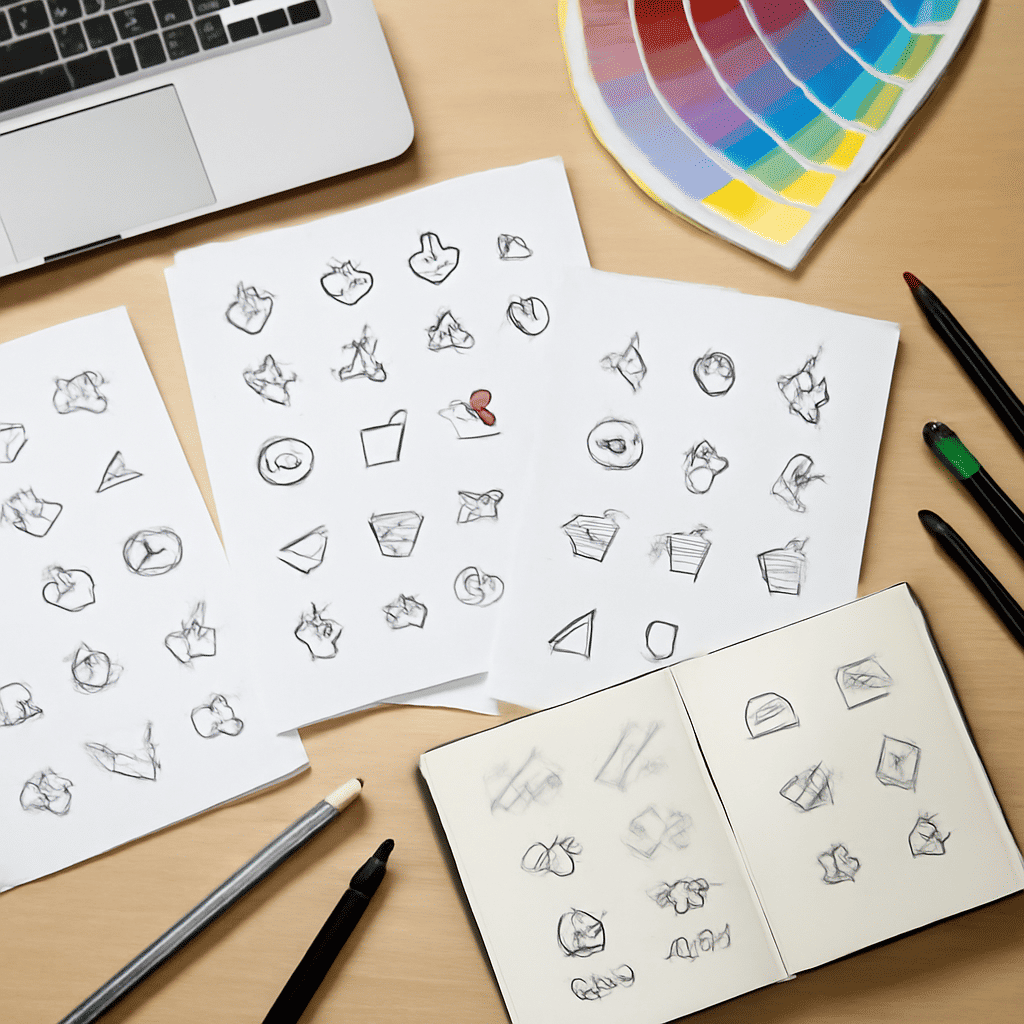
In today's fast-paced and visually saturated world, a logo serves as the visual cornerstone of a brand. It's often the first interaction potential customers have with a brand, making it essential for the logo to leave a lasting impression. Crafting unique logos that embody a brand’s essence and effectively communicate its message is both an art and a science, requiring creativity, strategic thinking, and a deep understanding of the brand’s core values.
Understanding the Brand
At the heart of a successful logo design is a profound understanding of the brand it represents. Every brand has its own story, mission, and personality that need to be reflected in its logo. The design process should start with in-depth research into the brand’s history, its audience, and its competitive landscape. Engaging with stakeholders through interviews and workshops can provide invaluable insights into what the brand stands for and what it aspires to become.
The Power of Simplicity
One of the most enduring principles in logo design is simplicity. A simple logo is adaptable, scalable, and easily recognizable. Think of iconic logos like Apple, Nike, and McDonald's. These logos have a timeless quality and can be identified at a glance. Simplicity doesn’t mean boring or unimaginative; rather, it means distilling complex ideas into a clear, concise, and memorable visual form.
Color Psychology in Logos
Color is a powerful tool in logo design, as it evokes emotions and influences perception. Different colors convey different messages and can affect brand perception significantly. For example, blue is often associated with trust and professionalism, making it a popular choice for technology and finance brands, while red can evoke excitement and passion, suitable for brands looking to create a more dynamic presence. Selecting the appropriate color palette is crucial in aligning the logo's aesthetics with the emotional tone of the brand.
Typography: More Than Just Letters
Typography plays a critical role in logo design. The style, weight, and spacing of the type can communicate a wide range of brand characteristics, from modern and innovative to classic and trustworthy. Custom typography or bespoke font creation may be necessary to ensure that the lettering is as unique and aligned with the brand’s values as the rest of the logo.
Versatility and Adaptability
A well-designed logo is versatile and can adapt to various formats and platforms, from business cards and websites to social media and outdoor signage. Designers must consider how the logo will look in different contexts, ensuring it remains effective in black and white, resized for small applications, or adjusted for mobile viewing.
Incorporating Symbolism
Symbols and icons can add layers of meaning to a logo, making it more memorable and impactful. Incorporating a clever visual metaphor or an element that subtly nods to the brand's values or industry can create deeper connections with the audience. The key is to balance symbolism with simplicity, ensuring that the message remains clear and not overly complex.
Testing and Feedback
Before finalizing a logo, testing it with real-world applications and gathering feedback is essential. A logo might look perfect on a screen, but how does it appear in print media or on promotional merchandise? Feedback from stakeholders and potential customers can provide insights into how the logo is perceived, ensuring any necessary adjustments can be made before launch.
Conclusion
Creating a logo that truly embodies a brand's essence and makes a powerful first impression is a nuanced endeavor. By understanding the brand, harnessing the power of simplicity, strategically employing color, and ensuring versatility, designers can craft logos that not only stand the test of time but also resonate deeply with their intended audience. In an ever-competitive market, a well-designed logo is a silent ambassador, telling the story of a brand with every glance.