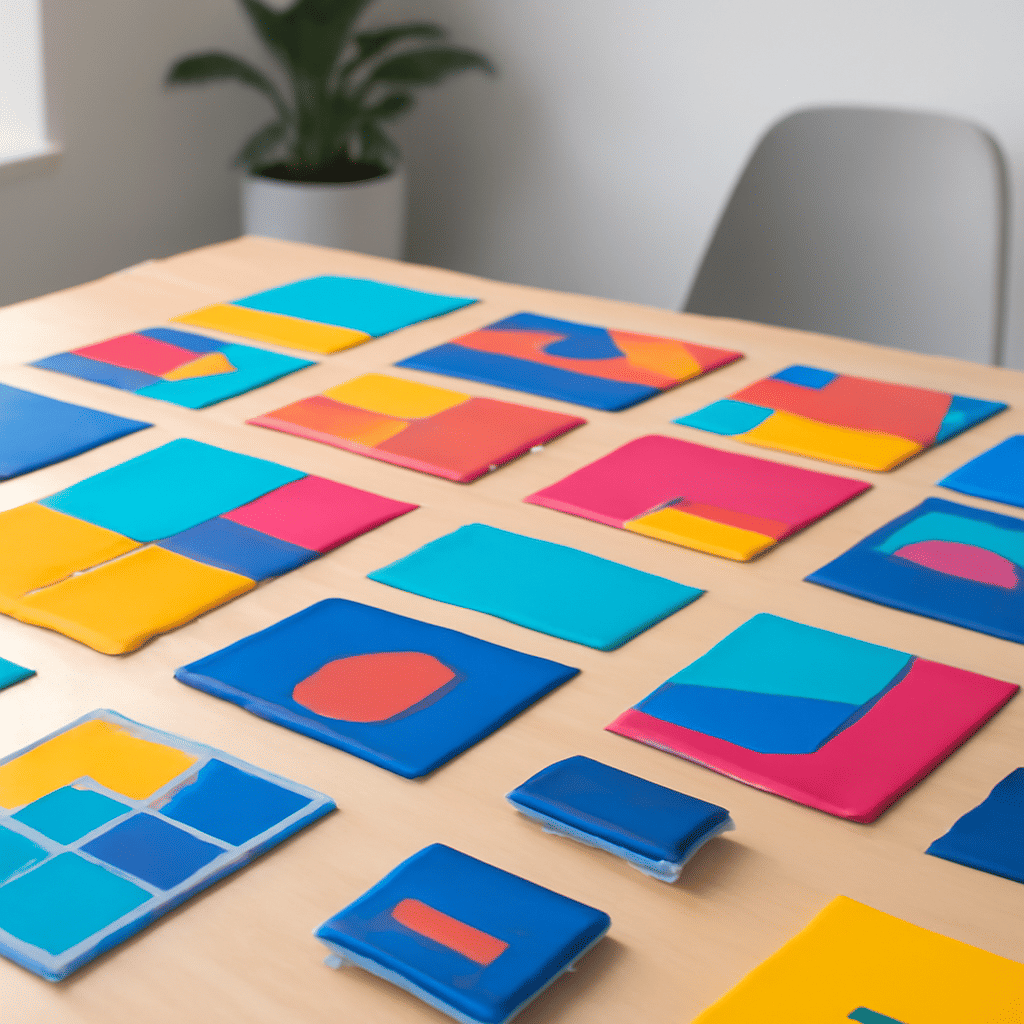
In today's digital world, where screens often take the spotlight, print design remains an invaluable tool for effective communication. The power of print lies in its ability to convey messages in a tangible and permanent form, transforming ideas into compelling visuals that captivate audiences. Whether it's a brochure, flyer, poster, or business card, print design offers a tactile experience that digital mediums simply cannot replicate.
One of the most significant advantages of print design is its ability to engage multiple senses. The texture of the paper, the vividness of the colors, and the weight of the finished product all contribute to a memorable experience for the recipient. This multi-sensory engagement helps in leaving a lasting impression, making the message more memorable and impactful.
Furthermore, print design allows for extraordinary creativity and personalization. The possibilities are limitless—from choosing the perfect color palette and typography to experimenting with different printing techniques and finishes such as embossing, die-cutting, or foil stamping. Each element can be meticulously curated to align with your brand's identity and message, ensuring not only aesthetic appeal but also consistency and authenticity.
In a world where digital content is continuously consumed and often forgotten, print design offers a refreshing break. With strategically designed print materials, businesses and individuals can cut through the noise, reaching their audience in a more direct and meaningful way. Print invites interaction; a meticulously designed piece can make readers stop, feel, and think in ways that digital passivity simply cannot achieve.
Another compelling aspect of print design is its longevity. Unlike digital content, which can be fleeting, print materials have staying power. They can be held, passed around, and displayed, continuously reinforcing your message long after they've been distributed. This attribute makes print an excellent medium for information you want to have enduring relevance.
Moreover, the effectiveness of print design also lies in its versatility. Whether aiming for elegance, minimalism, boldness, or creativity, print allows for various styles and formats to reach different audiences across diverse industries. It can effectively communicate everything from the intricate details of an annual report to the simplicity of a captivating postcard.
Ultimately, successful print design is about crafting a narrative that resonates with its audience. It's about marrying content with design to enhance comprehension and retention. Designers must consider the end goal—whether it's to inform, persuade, entertain, or inspire—and strategically use design elements to guide the reader towards that outcome.
In conclusion, print design is a powerful medium that continues to hold its own in an era dominated by digital media. Its unique ability to engage the senses, foster creativity, ensure longevity, and communicate effectively makes it an indispensable tool for anyone looking to transform their message into a striking and lasting impression. By harnessing the potential of print design, one can captivate audiences and convey messages in ways that are both impactful and enduring.